
English| EUR
Suggested for you
More currencies
Choose a language
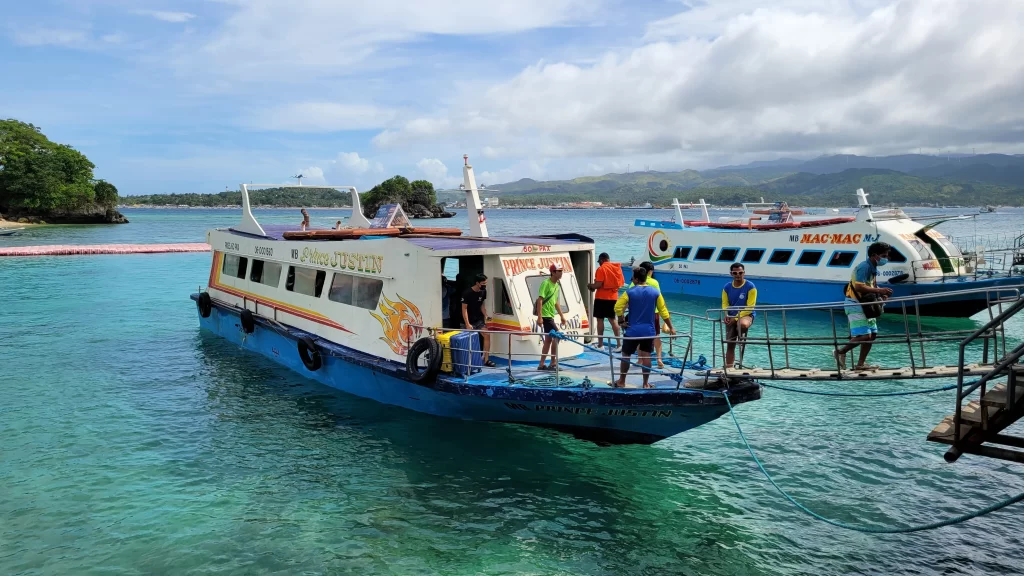
The journey from Godofredo P. Ramos Airport to Boracay's white sand requires a short ferry crossing from Caticlan Jetty Port. Understanding the operating window and passenger flow patterns turns a potentially chaotic transfer into a smooth 15-minute boat ride across the strait.
Quick answer
Ferries operate daily from 05:00 to 20:00 between Caticlan Jetty Port and Boracay, with boats departing every 15 to 30 minutes depending on passenger volume. The combined environmental and terminal fee stands at 450 PHP per foreign tourist. Arriving between 06:00 and 18:00 ensures daylight travel and helps you avoid the afternoon rush when domestic weekend travelers converge on the jetty.
Caticlan Jetty Port processes roughly 2 million passengers annually across a narrow channel that separates Panay Island from Boracay's Cagban Port. The 15-hour daily operating window accommodates both early morning arrivals chasing sunrise and late afternoon travelers squeezing in extra beach time before their flight home. The caticlan to boracay transfer schedule runs continuously throughout the week, but departure frequency fluctuates with crowd density rather than a fixed timetable. During the dry season from November through May, operators add boats to handle the surge of international tourists. Conversely, the southwest monsoon months of June through October see reduced passenger loads and slightly longer waits between departures. The 450 PHP fee covers both the environmental charge mandated by Aklan provincial authorities and the terminal access fee—a single payment collected before you reach the boarding gates. Boat operators maintain a first-come boarding system with no advance reservations. Outrigger bancas hold 30 to 50 passengers and depart when sufficiently full, which means a five-minute wait during peak hours and up to 25 minutes during lulls. The crossing itself takes 10 to 15 minutes depending on sea conditions and the specific landing point on Boracay. Most travelers find the midmorning window from 08:00 to 11:00 offers the best balance—enough operational momentum to avoid long waits without the crush of lunchtime and afternoon arrivals. The jetty complex includes covered waiting areas and basic facilities, but no climate control. During the midday heat, the open-air terminal can feel stifling. Early evening departures around 17:00 to 18:00 catch the sea breeze and deliver you to Boracay with enough daylight remaining to navigate to your accommodation without fumbling through unfamiliar resort roads after dark. The boat transfer schedule guide becomes especially valuable during Philippine long weekends and peak holiday periods when domestic tourism spikes and the queues stretch back from the ticketing counters. Knowing the operating rhythm lets you time your airport pickup, budget your transfer duration, and board with minimal friction.
“Boats depart when full rather than on a fixed clock, so the wait time depends entirely on how many passengers are queued ahead of you.”
The Caticlan Jetty Port operates daily to facilitate transfers between the mainland and Boracay Island. Travelers should plan their arrival to align with the standard operating window.
Godofredo P. Ramos Airport is situated approximately two kilometers from the Caticlan Jetty Port. Most travelers reach the port via a short tricycle ride or pre-arranged transfer service.
Airport exit to Caticlan Jetty Port via Aklan West Road
Airport terminal to Caticlan Jetty Port
Terminal to Caticlan Jetty Port (not recommended due to traffic)
Upon exiting the arrivals terminal, proceed directly to the designated transport queue or your pre-arranged shuttle area. Planning your transit to coincide with the daylight hours ensures a smoother transition to the ferry terminal.
The recommended arrival window for your transfer is 06:00–18:00 to avoid peak afternoon crowds and ensure transit occurs during daylight hours. Planning your arrival within this timeframe facilitates a smoother transition from the airport to your accommodation.
—
Early arrivals typically experience shorter queues at the jetty port.
Warm and sunny, 25°C–32°C
Expect increased traveler numbers; arriving before midday is advisable.
High humidity and rainfall, 24°C–30°C
Transit schedules may be subject to weather-related adjustments during these months.
Verdict: Tuesday to Thursday, arriving between 06:00 and 10:00, during the months of April or October provides the most reliable transit experience.
Gather these items before heading to Caticlan Jetty Port to streamline your ferry boarding process.
Everything you need to know about caticlan to boracay transfer schedule
The caticlan to boracay transfer schedule operates continuously throughout the day based on demand rather than a rigid fixed-interval timetable. Boats depart as they reach capacity from the Caticlan Jetty Port to ensure efficient passenger flow. Passengers seeking a caticlan to boracay transfer schedule should plan their arrival within the standard port operating hours. Ferries run daily from 05:00 to 20:00 to accommodate most flight arrivals at Godofredo P. Ramos Airport. During these operational hours, local pump boats and modern ferry vessels facilitate the short sea crossing. The total cost is 450 PHP per foreign tourist, which covers the combined environmental and terminal fees. This standardized fee is collected at the port facility before you board your vessel. For a smooth caticlan to boracay transfer schedule experience, aiming to arrive between 06:00 and 18:00 is recommended. This window helps you avoid the busiest peak periods and ensures you have sufficient daylight for your final transit to your resort. The main terminal is located at the Caticlan Jetty Port in Malay, Aklan. This facility serves as the primary gateway for all travelers moving from the airport to the island. While you can often secure arrangements through your hotel or third-party providers, the main port processes tickets for all walk-in passengers. Planning your caticlan to boracay transfer schedule with a trusted provider can streamline your transition from the airplane to the water. All travelers must present valid identification and proof of accommodation upon arrival to satisfy local regulatory requirements. Keeping your travel documents easily accessible during the terminal check-in process will help you clear the area faster.